Breathless Season 2, Episode 2 Recap: Exploring the emotional impact of Trikafta
May 13, 2026Share this:
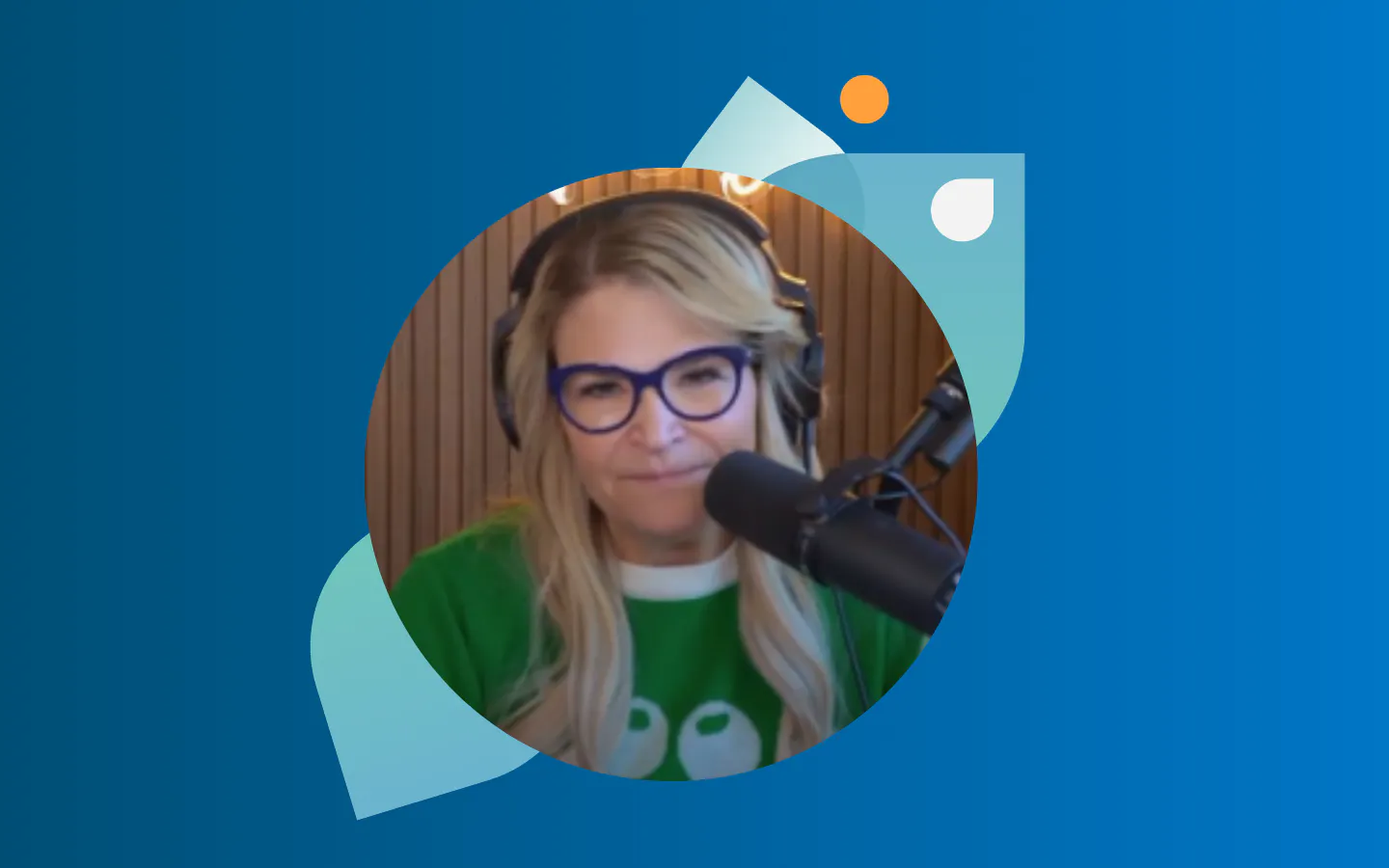
In episode 2 of season 2 of Breathless, host Jeremie explores the unexpected emotional fallout that can come with life-changing CF treatments like Trikafta. After growing up expecting a shortened future, he now faces the reality of a life he never planned for.
Jeremie describes the experience as an unexpected emotional crisis that can come with being “saved”.
Dr. Jody Carrington on trauma and emotional processing
Clinical psychologist Dr. Jody Carrington joins episode 2 to discuss trauma and emotional experiences many people carry after growing up with an illness. Jeremie recalls how as a child, he would ask questions like “Why me? I was I wasn’t like this”. He explains that the adults around him often responded by trying to stay composed. Dr. Carrington offers a different perspective:
“Trauma has nothing to do with what has happened to you; it is all about what happens inside of you,” she explains.
She encourages listeners to shift the question from “What is wrong with this person?” to “What happened to this person?”. She also emphasizes that while many people may experience the same diagnosis,, their experiences can differ greatly. The conversation then turns towards caregivers and parents. Dr. Carrington explains that when children are diagnosed with illness, it is important for families to openly acknowledge emotions rather than avoid difficult conversations.
Jeremie shares that his own experience of when a parent holds everything together too perfectly, the child may interpret it as, “This is too scary to talk about.”
Lauren Clift shares her experience growing up with CF
Later in the episode, Jeremie speaks with Lauren Clift who also lives with cystic fibrosis, about what it was like growing up constantly aware of mortality.
Lauren describes her childhood marked by anxiety and fear of death. She explains that even when adults avoided direct conversation about illness, children still notice subtle changes, like the shift in your mother’s voice when she talks about illness or reading pamphlets in hospital waiting rooms that hint at an uncertain future.
“Tomorrow wasn’t guaranteed,” Jeremie reflects. He explains that while this mindset led him to live fully in the present, it also meant he never built a foundation for a long-term future. When Trikafta suddenly changed that reality, he realized he had no plans for a longer life.
The emotional impact of Trikafta
With the introduction of Trikafta, many people living with CF have found themselves needing to rediscover who they were. Life choices, relationships, and financial decisions that had once been shaped by the expectation of a shorter life suddenly felt uncertain.
About 90 percent of the cystic fibrosis community can benefit from Trikafta. For the remaining 10 percent, the experience has been different. This shift has created a complex emotional landscape. Many of those who have access to the treatment are balancing a sense of gratitude with feelings of guilt.
Jeremie raises an underlying question that remains for many. Where do we go from here?
The Role of Community and Support
The episode also introduces the concept of post-traumatic growth. This idea suggests that after experiencing significant challenges, individuals may find ways to reshape and reframe their experiences. Growth often builds through structure and support, including routine, daily rituals, strong networks, and access to safe communities. What matters is not only whether people seek out these resources, but that they are available and accessible.
Reflection and Moving Forward
Jeremie closes the episode by emphasizing the importance of these support systems within the cystic fibrosis community. When these elements come together, they create what he describes as an optimal human operating system.
The internal struggles do not disappear. Instead, they become something people learn to live alongside. Asking the question “Who am I” can be an important starting point in understanding this new reality and moving forward.