Breathless Season 2, Episode 3 Recap: Without limits
May 19, 2026Share this:
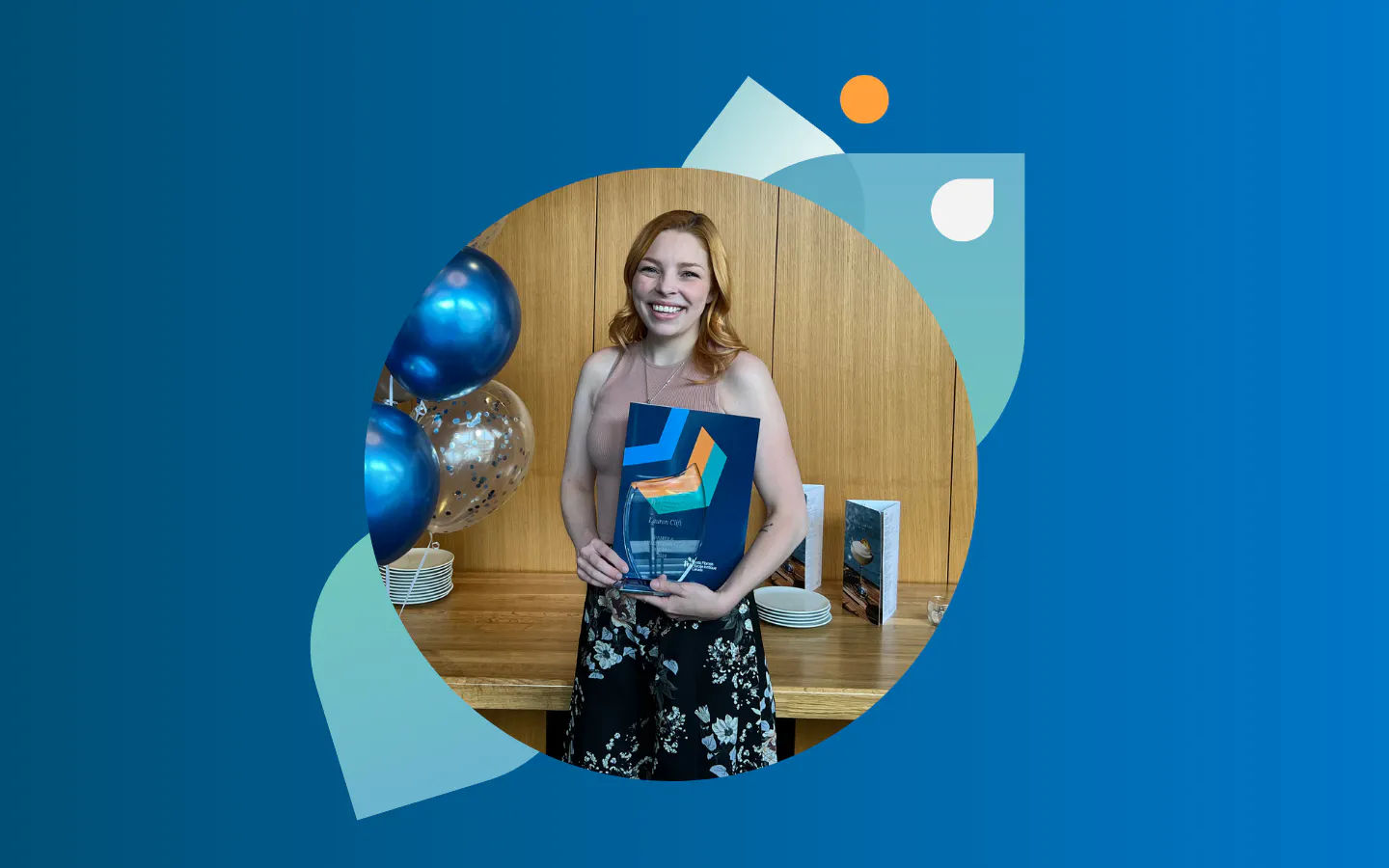
In this episode, Breathless continues to explore how life with cystic fibrosis is changing, through the experiences of Lauren Clift and Jeremy Vosburgh. Their stories reflect both the longstanding realities of CF and the evolving possibilities shaped by new treatments.
Lauren Clift describes a childhood that, on the surface, looked active and full. She kept up with others and found a sense of identity in theatre, performing in school productions. Behind the scenes, however, there were constant adjustments. Even on stage, she recalls needing to find quiet moments to cough, carefully managing her symptoms so they would go unnoticed.
Jeremy Vosburgh shares a similar early awareness of living with cystic fibrosis, though understanding its full impact came later. Once he began to grasp the limitations associated with CF, he made a deliberate choice to continue pushing forward. That determination led him to apply to the Winnipeg Police Service, where he successfully passed the physical exam, challenging expectations along the way. That path has since led him to a career serving his community as a police officer.
Shifting Perspective on Care
As the conversation broadens, Kelly Grover, President and CEO of Cystic Fibrosis Canada, points to a larger shift taking place within the CF community. The focus is no longer only on survival, but increasingly on the quality of survival. The goal is a future where cystic fibrosis becomes a part of someone’s story, not the defining headline.
The introduction of Trikafta marked a significant turning point for many. For those who could access it, the change was immediate and visible. People shared moments of taking deep, effortless breaths for the first time. For Lauren, that moment took a lot longer to come. She lives with a rare mutation that initially made her ineligible for the treatment.
This gap raises important questions about equity in care. Jeremie asks why a drug that works for the majority does not work for everyone. Paul Eckford, Chief Scientific Officer at Cystic Fibrosis Canada, explains that while there are roughly 2000 known CF mutations, only a fraction has been studied in enough detail to develop targeted therapies.
Emotional Impact and Advocacy
For those left outside of these breakthroughs, progress can feel uneven. Lauren describes the emotional toll of watching others move forward while she remains in the same place. She recalls her mother, a pharmacist, reflecting on the experience of dispensing these life changing medications to others while watching her own daughter continue to struggle. It became a defining point that underscored the urgency for change.
Cystic Fibrosis Canada began reviewing different types of data related to rare mutations, including cases from various countries and communities. For Lauren, this moment marked the beginning of a long journey toward access. This collective effort contributed to a key milestone. In July 2024, Health Canada approved an expanded list of rare mutations eligible for treatment. Lauren’s mutation was among them.
Access and New Possibilities
With access to treatment, Lauren describes a shift that is both physical and deeply personal. A full breath, something once measured and limited, begins to feel different. After months of carefully managing her body to avoid coughing, she experiences a breath that reaches fully, without resistance.
Jeremy, who has been on Trikafta for four years, describes a similar shift when he first experienced its effects. Already someone who consistently pushed his limits, he recalls it as an incredible moment that made him question whether this is how others experience everyday life.
Lauren speaks about being able to sing again without interruption, returning to something that had always been part of her identity. For Jeremy, the shift presents itself in a different way. It opens the possibility of aging, of thinking about time in a way that once felt uncertain.
Ongoing Challenges
Despite this progress, the story remains incomplete. There are still individuals who do not yet have access to effective treatments due to rare mutations. Progress does not mean the work is finished. It highlights the need to continue advocating for those who still lack access, while also encouraging people to focus on long term planning, being present, and living without being defined by this disease.